


Compliance as Capital: Leveraging FSC, BPI, and RecyClass to Mitigate Regional Environmental Taxes and Plastic Fees
Certifications and Regional Environmental Tax Mitigation

In Europe and North America, governments are increasingly imposing financial burdens—such as plastic taxes, landfill levies, and Extended Producer Responsibility (EPR) fees—on non-sustainable packaging. For B2B buyers, product certification is the only verifiable defense against these costs. This article explains how our materials' key certifications directly translate into financial mitigation and compliance in regulated markets.
1. Mitigating the Plastic Tax with BPI and Compostability
Taxes like the UK's Plastic Packaging Tax or future EU national taxes target non-recycled plastic.
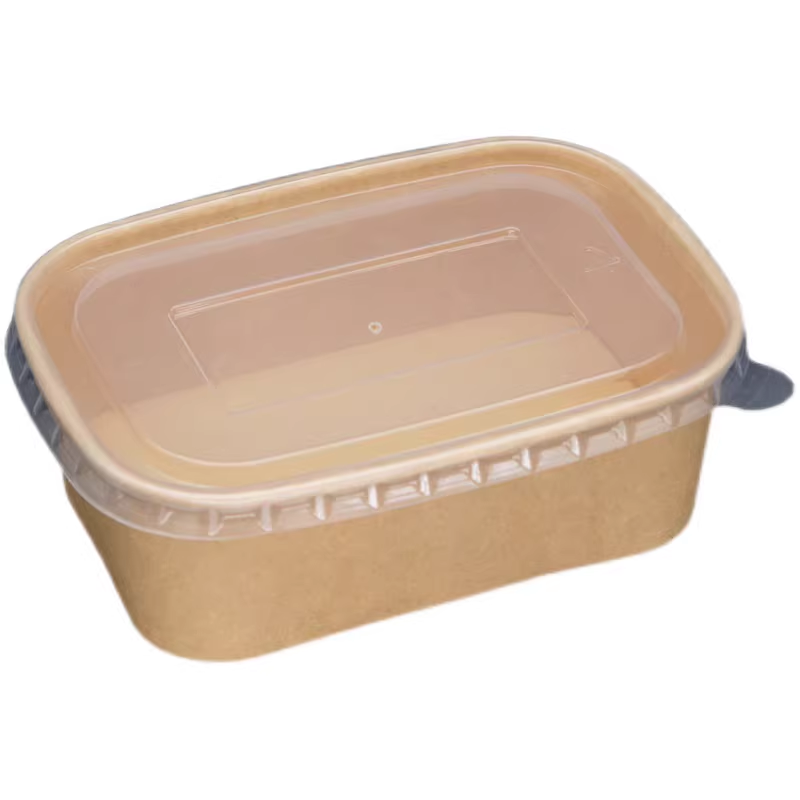
PLA/CPLA (Corn Starch) and Kraftware (Bio-Lined)
Products certified by BPI (North America) or OK Compost (Europe, EN 13432) are scientifically proven to be compostable. In many jurisdictions, this certification exempts the material from plastic taxes or qualifies it for significantly lower EPR fees because it is entering the organics stream, not the landfill.

Financial Impact
For large-volume users, converting from conventional PS/PP to certified CPLA/Bio-Lined Kraftware provides a direct, quantifiable tax avoidance mechanism that immediately offsets the "eco-premium."
2. Addressing Landfill Fees with FSC Certification
The sustainable sourcing of the fiber component is critical for the perceived and actual environmental impact.
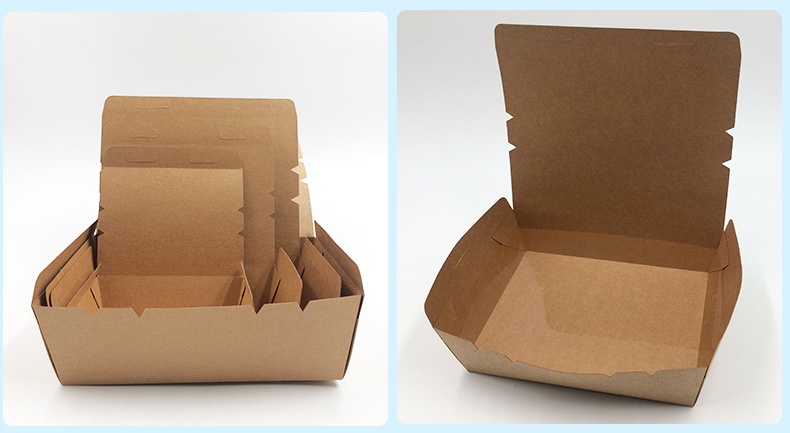
FSC Certification (Kraft Paper)
FSC certification ensures the paper comes from responsibly managed forests. This commitment is often a mandatory requirement under Green Public Procurement (GPP) mandates and is a key factor in reducing packaging taxes in schemes that penalize unsustainably sourced virgin materials.
Reputational Value
FSC certification acts as a visible marker of ethical sourcing, protecting the client’s brand from accusations of deforestation or unsustainable practices.
3. Leveraging RecyClass for Aluminum Foil Containers (AFCs)
While aluminum is infinitely recyclable, demonstrating its suitability for modern sorting facilities is important for EPR.
Aluminum and RecyClass
Aluminum foil is governed by different standards than plastic. We ensure our AFCs are simple, mono-material constructions that adhere to the high recyclability standards promoted by organizations like RecyClass and are accepted by the existing aluminum reprocessing infrastructure.
EPR Fee Reduction
In schemes where fees are based on the material's recyclability rate, aluminum's high recycling value and proven circularity often result in the lowest possible EPR contribution rates, making it a financially attractive option despite its initial cost.
4. Documentation and Traceability for Auditing
Proof of exemption requires verifiable, standardized documentation.
CoC Documentation
We provide a Certificate of Conformity (CoC) for every batch, cross-referencing the product to the specific BPI/EN 13432 certification number, allowing the B2B client’s compliance team to quickly verify tax exemptions during regulatory audits.
| Certification | Applies To | Primary Financial Benefit | Compliance Role |
|---|---|---|---|
| BPI / EN 13432 | PLA/CPLA, Bio-Lined Kraft | Exemption from plastic taxes; lower EPR fees | Proof of compostability for organics stream |
| FSC | Kraft Paperboard | Reduced packaging taxes; meets GPP mandates | Verifies sustainable forest sourcing |
| RecyClass / Aluminum Standards | Aluminum Foil Containers | Lowest EPR fees due to high recyclability | Confirms compatibility with recycling infrastructure |
In summary, environmental certifications are not just marketing tools—they are strategic financial assets. BPI/EN 13432, FSC, and RecyClass certifications provide B2B buyers with the documented evidence needed to mitigate plastic taxes, landfill levies, and EPR fees in regulated markets. By choosing certified products and maintaining proper documentation, businesses can turn compliance into capital, achieving both environmental goals and tangible cost savings.